
KL Eco City: Anticipating WORQ’s New Hub in Malaysia’s Next-Generation Business District
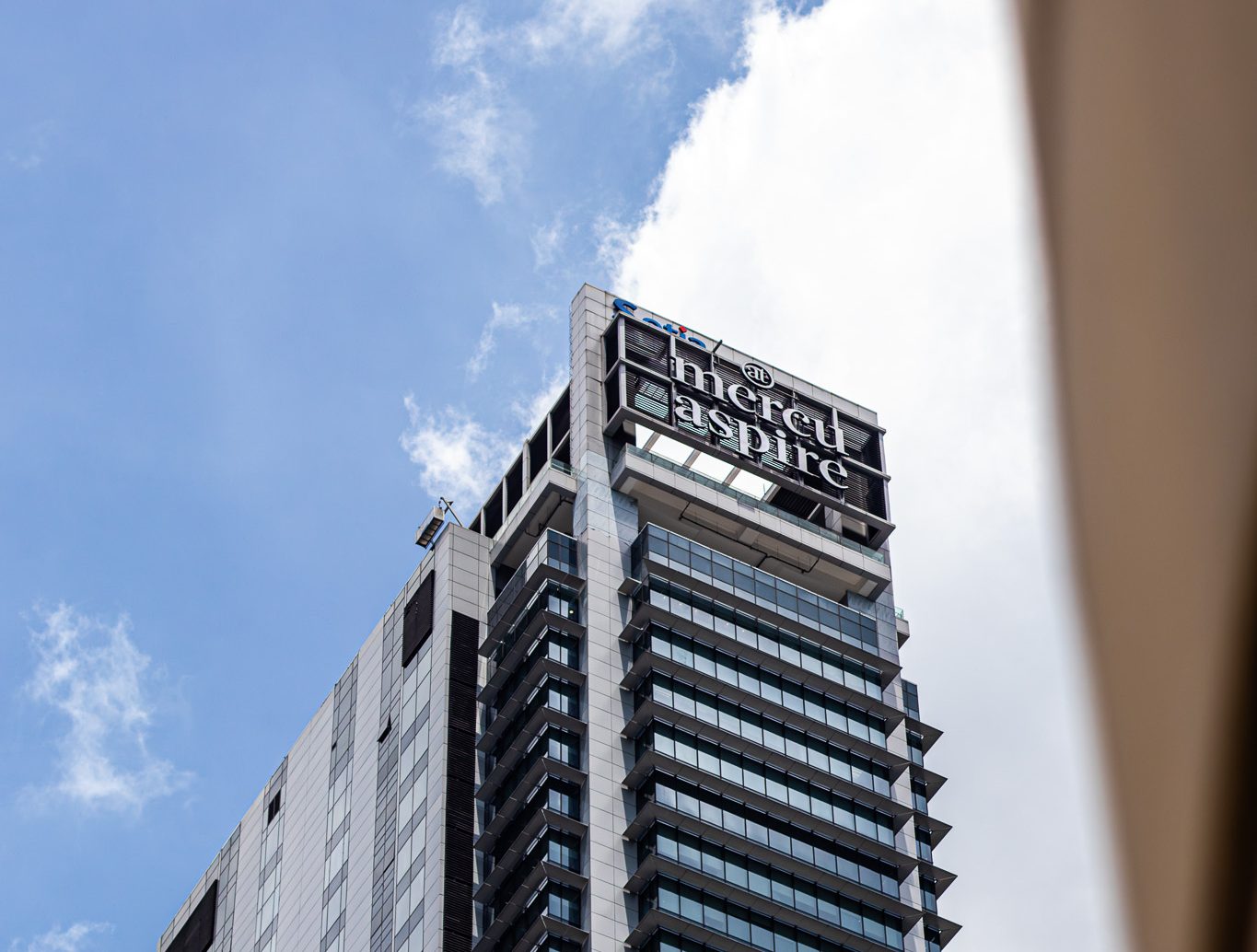
The commercial property market in Kuala Lumpur is shifting rapidly, and nowhere is this transformation more visible than in KL Eco City, a landmark mixed-use development designed to integrate work, lifestyle, and sustainability into a single dynamic precinct. Since its conception, KL Eco City has been marketed as Malaysia’s first integrated green city development, spanning more than 25 acres and combining corporate office towers, boutique office blocks, serviced residences, and retail outlets into one seamless ecosystem (SP Setia). Therefore, it is not surprising that businesses and investors alike have turned their attention toward this emerging hub, as it embodies the qualities, connectivity, convenience, and vitality that the modern workforce values most.
Against this backdrop, WORQ, one of Malaysia’s leading coworking and flexible office providers, is preparing to launch a highly anticipated outlet within KL Eco City. Having already built a strong reputation through hubs in KL Gateway, KPMG Tower, and other strategic locations, WORQ’s expansion into KL Eco City is being closely watched by corporates, entrepreneurs, and industry observers. Anticipation is running high, since the outlet promises to blend WORQ’s trademark community-driven coworking culture with the unique attributes of KL Eco City, which include strong occupancy performance and prime lifestyle integration. Although the doors have yet to open, excitement is already building about how WORQ KL Eco City may reshape the district’s workplace ecosystem.
One of the strongest indicators of KL Eco City’s success is its remarkably high office occupancy rate. According to SP Setia, the developer, KL Eco City has already achieved an occupancy level of approximately 92% across its 15 completed office towers (SP Setia). This number is significant when contrasted with Kuala Lumpur’s broader commercial property market, where older districts often struggle with double-digit vacancy rates. In fact, a recent report highlighted that vacancy rates in KL Eco City and nearby Bangsar South are as low as 8.5%, compared with nearly 19.4% in older parts of the city (Newswav). Consequently, WORQ’s entry into a location that is already enjoying such healthy demand underscores the strategic logic of its expansion.
Connectivity is another major factor driving anticipation. KL Eco City is directly linked to the Abdullah Hukum LRT and KTM Komuter interchange station, which provides seamless access to other parts of Kuala Lumpur and beyond (Wikipedia). In addition, the development enjoys pedestrian bridge access to Mid Valley City, one of Malaysia’s busiest retail and business districts. Therefore, professionals working in KL Eco City not only benefit from effortless commutes but also from the convenience of having shopping, dining, entertainment, and hospitality options within walking distance. Moreover, road accessibility is equally strong, since the precinct connects directly to major expressways such as the Federal Highway and the New Pantai Expressway, making it easy for employees and clients to reach the area from across the Klang Valley.
The combination of strong demand and premium positioning is further reflected in rental benchmarks. For instance, Mercu 2 at KL Eco City commands asking rentals of around RM7.50 per square foot per month (iProperty). Meanwhile, strata office suites within KL Eco City are marketed in the 1,035 to 1,459 square foot range, catering to smaller teams and investors who wish to buy into the development (KLCC Office). These figures are not only competitive by Kuala Lumpur standards but also serve as a clear sign that the market recognizes the value of the location, since businesses are willing to pay a premium for its advantages. For WORQ, situating its coworking hub here means aligning with a district that has already proven its capacity to attract tenants across the spectrum, from startups to large corporates.
Although KL Eco City is already home to a variety of corporate tenants across its Mercu towers and boutique offices, the arrival of WORQ promises to add a new dimension to the district’s mix. Traditional office setups offer prestige and permanence, but WORQ’s flexible coworking solutions appeal to a growing segment of enterprises that value agility and community. By embedding itself within a development that already has more than 90 percent occupancy, WORQ is not competing against vacancy but rather complementing demand, offering companies a way to scale without the rigidity of long-term leases. In other words, WORQ is positioning itself to serve businesses that need flexibility in a market where space is increasingly scarce.
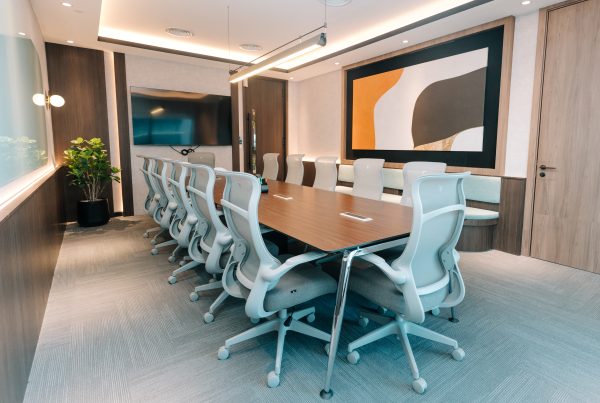
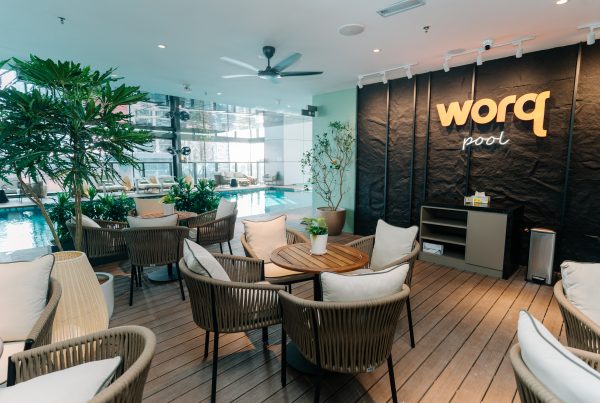
At the same time, KL Eco City’s identity as a lifestyle-integrated district enhances WORQ’s value proposition. Employees working here will not only be able to access WORQ’s productivity-first environments but also enjoy after-work amenities at Mid Valley Megamall or The Gardens Mall, which are directly linked to the precinct. This creates a holistic work-live-play ecosystem that modern professionals increasingly expect. Since WORQ has consistently emphasized the importance of wellbeing in its outlet designs, including wellness features such as nap pods, gaming zones, and even jacuzzis at other locations, anticipation is mounting that WORQ KL Eco City will offer an experience that is equally innovative and employee-centric.
The broader property market context further amplifies the significance of WORQ’s move. According to analysts, while oversupply has plagued some segments of Kuala Lumpur’s office market, demand for prime integrated precincts like KL Eco City remains robust (Newswav). This divergence demonstrates that businesses are becoming more selective, favoring environments that combine Grade A specifications with connectivity and lifestyle integration. By opening in KL Eco City, WORQ is tapping directly into this demand pattern, since it offers corporates a way to enjoy the advantages of the location without committing to traditional, inflexible office leases.
Furthermore, the variety of office offerings within KL Eco City, from strata units to corporate towers, demonstrates the precinct’s versatility (KL Office). WORQ’s coworking space is expected to complement this variety by providing an option that bridges the gap between small-scale offices and large, fixed leases. Particularly in a post-pandemic context where hybrid work is the norm, companies require flexibility in how they allocate space and resources. WORQ KL Eco City is designed to answer this need, enabling organizations to expand or contract as circumstances dictate while still maintaining a premium business address.
At its existing hubs such as KL Gateway and KPMG Tower, WORQ has successfully attracted a diverse mix of startups, SMEs, and even multinational corporations, all of whom value the combination of professional infrastructure and community-driven culture. Consequently, many are anticipating that WORQ KL Eco City will not only replicate this formula but also adapt it to the district’s unique context, with a particular emphasis on lifestyle integration and wellness.
In conclusion, KL Eco City has already proven itself as one of Kuala Lumpur’s most successful integrated developments, with occupancy rates of more than 90 percent, rental benchmarks that reflect its premium positioning, and connectivity advantages that few other districts can match. Against this backdrop, WORQ KL Eco City is not merely another addition to the coworking market but a highly strategic move that aligns with broader trends in workplace demand. Since businesses today seek flexibility, community, and ESG alignment alongside prestige and accessibility, WORQ KL Eco City is poised to become one of the most anticipated workplace destinations in Malaysia. As the opening approaches, anticipation continues to grow, because this new hub is expected to set new standards for what coworking can mean in the heart of Kuala Lumpur.




 Enjoy exclusive wellness benefits with Atlas Chiropractic & Physiotherapy, supporting desk-bound professionals with evidence-based chiropractic and physiotherapy care.