
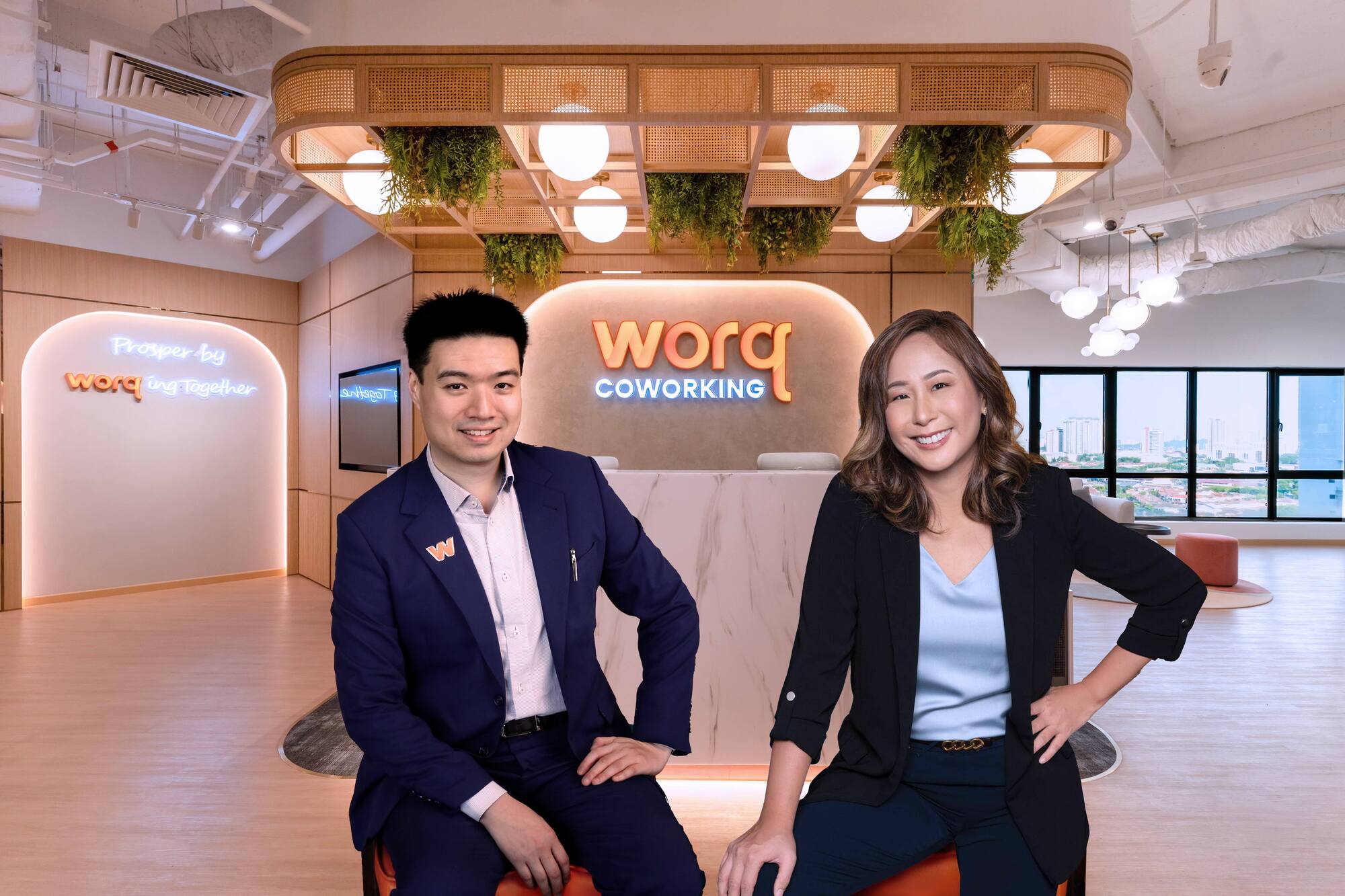
KUALA LUMPUR, Aug 8 (Bernama) — The growing shift towards hybrid and flexible working arrangements are driving demand for accessible, well-equipped co-working spaces in Malaysia’s urban centres.
Following this trend, homegrown flexible workspace provider WORQ is stepping up efforts to meet this need through the strategic expansion of its transit-oriented development (TOD) со-working network.
Currently operating at 11 locations within the Klang Valley, WORQ is anchoring its growth strategy around proximity to public transportation.
Co-founder and chief executive officer Stephanie Ping said the company aims to build a network of co-working spaces located within 10 minutes of major train stations and meeting hubs, reducing commute times and improving accessibility for modern workers.
“Our goal is to create a co-working network that enables people to work near where they live or commute, whether they are in Kuala Lumpur, Petaling Jaya, or Subang.
“We want to reduce the hassle of travelling back to headquarters just to take a meeting or print documents” Ping told Bernama.
She said TODs typically provide seamless access to public transport, and WORQ’s model is designed to leverage these locations to better serve professionals working in hybrid or remote setups.
“As private and public sector employers are open to the idea of hybrid work arrangements (in which some in the private sector have already adopted it), workers are increasingly seeking high-quality, flexible alternatives to traditional office spaces, especially those that align with their daily commute,” Ping said.
Meanwhile, WORQ chief financial officer and cofounder Andrew Yeow said the company is also playing a role in advancing national digitalisation efforts through its partnership with the Malaysia Digital Economy Corporation (MDEC) under the DE
Rantau initiative.
The DE Rantau programme supports local and foreign digital nomads by providing essential infrastructure such as enterprise-grade connectivity, hotdesking services, and access to a supportive ecosystem.
Yeow said that Malaysia’s current co-working space capacity stood at around one million square feet (sq ft), which is significantly lower than countries like the United Kingdom, which boasts over 20 million sq ft.
In light of this, he said WORQ is targeting an expansion to 500,000 sq ft, totalling about 15 to 20 locations nationwide by 2027, up from its current 300,000 sq ft.
Yeow noted that more WORQ locations would be strategically selected based on accessibility and community appeal, allowing the company to serve a broad spectrum of users, from start-ups to small and medium enterprises (SMEs), freelancers to remote teams and multinational firms exploring Malaysia as a regional hub.
“Malaysia has a real opportunity to lead in the flexible workspace sector in Southeast Asia, especially with more companies from Singapore and beyond considering satellite offices here.
“However, we must not take this advantage for granted, because countries like Vietnam are also emerging as strong competitors as they are cheaper,” said Yeow.
As the hybrid work model continues to reshape global work culture, WORQ recognises the importance of developing a strong, accessible, and ready-to-move-in office space alongside a community-driven co-working infrastructure to enhance economic resilience and workforce productivity.
To cater to the evolving needs of modern professionals, WORQ offers flexible pricing packages that include short-term options ranging from 30-minute blocks to weekly passes.
Each location is fully equipped with meeting rooms, boardrooms, high-speed internet, printers, and an information technology (IT) support team, providing a plug-and-play environment for businesses, communities, and even students.
“We are seeing more companies move towards a ‘core-and-flex’ office model. Many no longer want to commit to long-term leases or full offices.
“Instead, they prefer the flexibility to use space as and when needed,” Yeow pointed out.
To support this growth, Ping said WORQ is actively collaborating with landlords to convert underutilised properties into vibrant co-working hubs.
These partnerships often involve co-investments in renovations that include sustainability upgrades, lifestyle amenities such as gyms, cafes and enhanced communal spaces for events.
“Today’s professionals want more than just a desk and a stable high-speed internet connection.
“They are looking for a balanced lifestyle, with access to social activities and wellness amenities that enhance their workday,” she said, adding that WORQ’s spaces are designed with modern, Google-like inspired aesthetics to create an engaging, lively and productive environment.
With rising demand, supportive partnerships, and a clear expansion roadmap, WORQ is well-positioned to shape the future of flexible workspaces in Malaysia, helping individuals and companies adapt to a more dynamic, decentralised way of working.
As featured in BernamaBiz & The Borneo Post on August 8, 2025


Bahasa Malaysia version available here.




 Enjoy exclusive wellness benefits with Atlas Chiropractic & Physiotherapy, supporting desk-bound professionals with evidence-based chiropractic and physiotherapy care.