
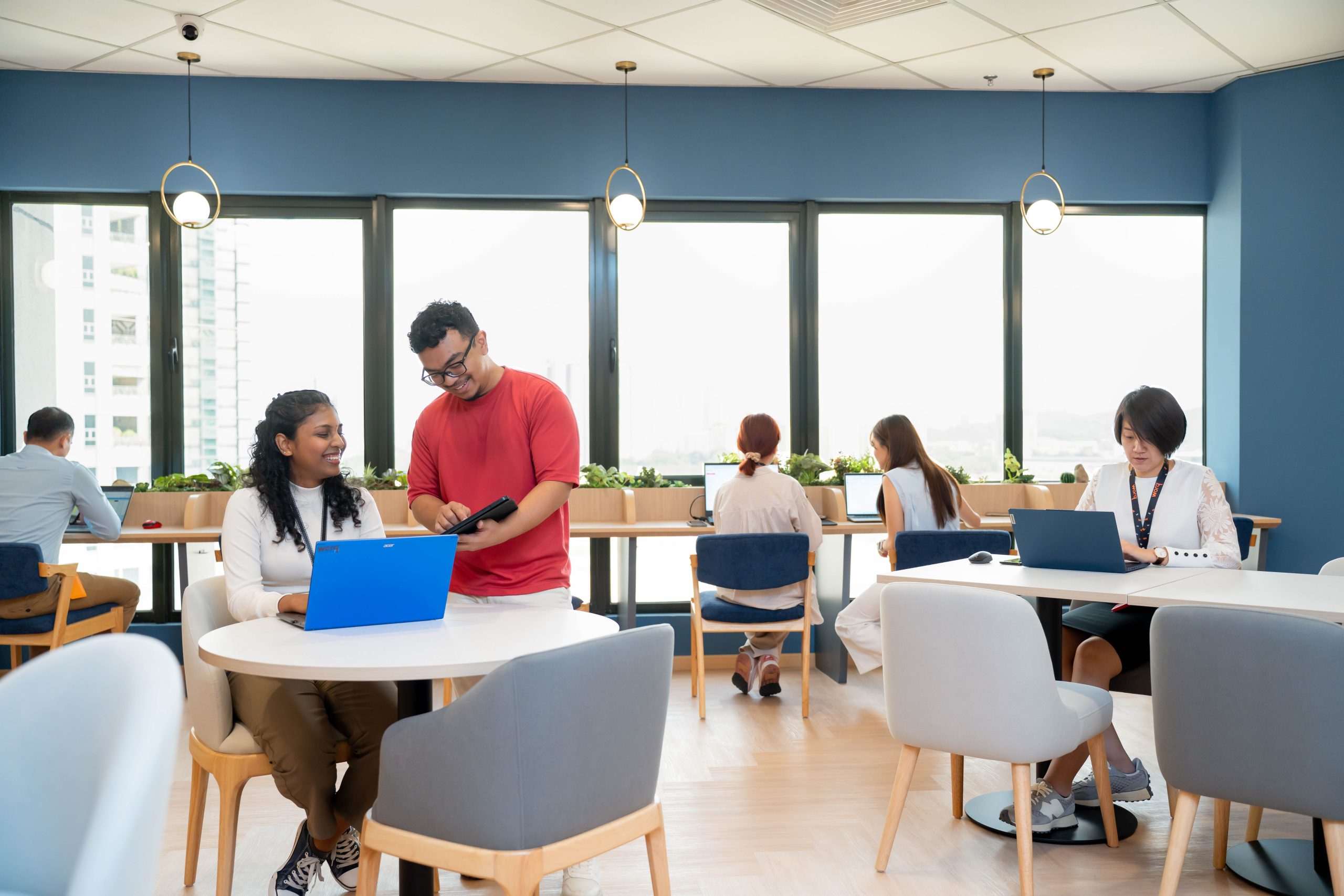
Enhancing Employee Focus and Work Willingness: Why Shared Workspaces Are Now the Top Choice for Companies
In a work culture increasingly shaped by wellbeing, flexibility, and purpose, the physical workspace has taken on a renewed importance, especially among Gen Z and Millennials. For today’s workforce, the office is no longer just a place to clock in and out. It’s an environment that directly influences focus, motivation, and even the decision to join or stay with a company.
This shift in mindset is driving companies to rethink traditional offices in favour of more dynamic, human-centric alternatives. According to feedback collected by coworking space provider WORQ, well-designed shared workspaces are now playing a crucial role in improving employee productivity and satisfaction.
Building the Future of Work Around Employee Experience
At the core of this transformation is a growing recognition that where and how people work matters. Companies are now making strategic use of coworking spaces not only to optimise operations, but also to attract top talent and improve their employee value proposition.
Wong Chea Hao, Head of Real Estate and Product Development at WORQ, shared that many of WORQ’s clients today are large corporations whose employees are mostly young professionals. “The younger generation places greater emphasis on mental health and holistic wellbeing,” Wong said. “When under stress, they need spaces where they can reset and recharge.”
To meet these evolving needs, WORQ has built its coworking environments around four pillars: Productivity, Wellness, Learning & Development, and Community. The result? A space that’s not only designed for getting work done, but also for supporting people’s overall growth and balance.
Workspaces That Attract (and Retain) Talent
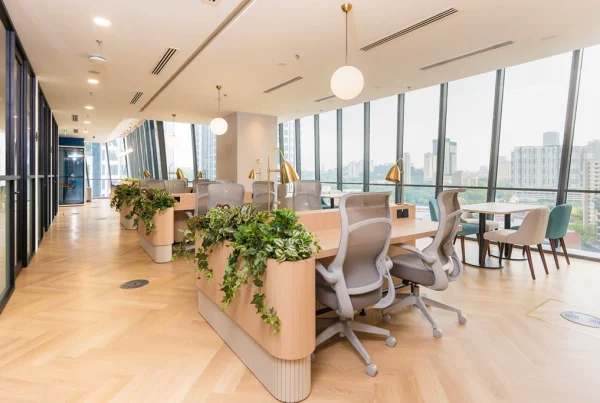
A thoughtfully designed office is a competitive advantage. Beyond high-speed internet and ergonomic furniture, WORQ spaces are equipped with:
-
Automated coffee machines
-
Rest pods for short breaks
-
Community spaces for networking
-
Pantries and wellness zones
These features are no longer perks, they are expectations. For young job seekers, accessibility also plays a vital role. For instance, WORQ Subang’s location near several universities and its proximity to LRT stations has made it a hub for companies looking to recruit interns and early-career talent with ease.
In fact, many employers now credit the convenience and lifestyle integration of shared workspaces as a key factor in their hiring success.
A Positive Work Environment Sparks Motivation
The atmosphere of a workspace directly impacts employees’ willingness to show up and do their best work. While traditional offices can feel rigid and isolating, shared workspaces are designed to energise.
“Having a space that promotes mental clarity and a sense of community can drive motivation and productivity,” Wong noted.
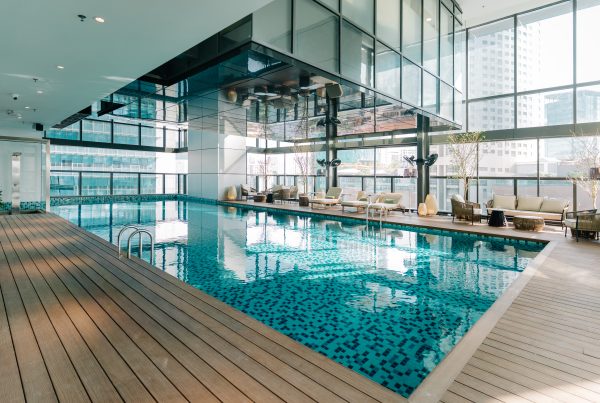
Today’s knowledge workers are looking for spaces that foster connection, reduce stress, and support their lifestyle choices. That’s why WORQ has partnered with brands across wellness, fitness, and lifestyle sectors to reinforce its Live, Work & Play ecosystem. It’s not just about work, it’s about building a sustainable rhythm that empowers people to thrive.
Coworking as the Antidote to Remote Work Burnout
The rise of remote work brought with it a new level of flexibility, but also unexpected loneliness. As the novelty wears off, more people are finding that working from home, day in and day out, can take a toll on mental health.
“By the third or fourth year of WFH, it can feel like you’re the only person left in the world,” Wong said. “We’ve seen people ready to quit well-paying jobs just to return to a more social, connected environment.”
This is where coworking spaces shine, not just as functional workstations, but as communities. Through curated activities, organic networking, and shared resources, members can rebuild social ties, stay up to date with industry happenings, and even unlock collaboration opportunities with people they meet across the room.
Whether you’re a startup founder or part of a corporate team, coworking offers a sense of belonging. “In this ecosystem,” Wong shared, “you’re never fighting alone.”
Shared Workspaces in Long-Term Strategy
Far from being just a trend for freelancers and startups, coworking is now a strategic asset for global and local enterprises alike. Over 70% of WORQ’s members come from large companies, including international brands entering Southeast Asia via Malaysia.
Coworking offers:
-
Fast deployment in new markets
-
Scalability with minimal overhead
-
Customisable solutions for different team sizes
Many of WORQ’s clients now treat these shared spaces as satellite offices. WORQ handles everything, from layout design to day-to-day management, allowing businesses to focus on what they do best.
As real estate developers increasingly repurpose commercial floors into flexible office zones, the future of work is becoming clear: it’s hybrid, decentralised, and community-powered.
With over 300,000 sq ft of coworking space under management and a goal to scale up to 1 million sq ft by 2030, WORQ is at the forefront of this movement. For companies ready to future-proof their operations, shared workspaces aren’t just a smart option, they’re a strategic imperative.
As published in China Press on July 25, 2025



 Enjoy exclusive wellness benefits with Atlas Chiropractic & Physiotherapy, supporting desk-bound professionals with evidence-based chiropractic and physiotherapy care.